We Can All Win: Why We Celebrate Each Other

Recently, I experienced an outpouring of congratulations on LinkedIn—messages full of kindness, joy, and genuine celebration for a professional milestone. I was moved, of course, and am still, but more than that, I found myself wondering:

Why do we love celebrating each other?

What makes us say “Happy birthday!” like we really mean it? Why do we feel pride when a colleague gets promoted, when a friend receives an award, when someone in our community gets their long-overdue flowers?

It feels natural. Automatic, even. But if you step back and think about it, it’s actually quite radical.

We live in a society built on competition and comparison. From early schooling to career advancement, we’re told to race to the top, to beat the curve, to outshine others in order to succeed. And if you spend anytime on the male side of the internet, it’s all focused on being the Top Dog Alpha Sigma Terminator.

But here’s the thing: celebrating someone else is the opposite of that. It’s not competitive. It’s not even cooperative. It’s more than that.

It’s selfless.

It’s other-more.

And, that is fascinating.

Are we more kind than competitive? Can that be true? Is that us?

In graduate school, I heard a phrase that shifted something in me:

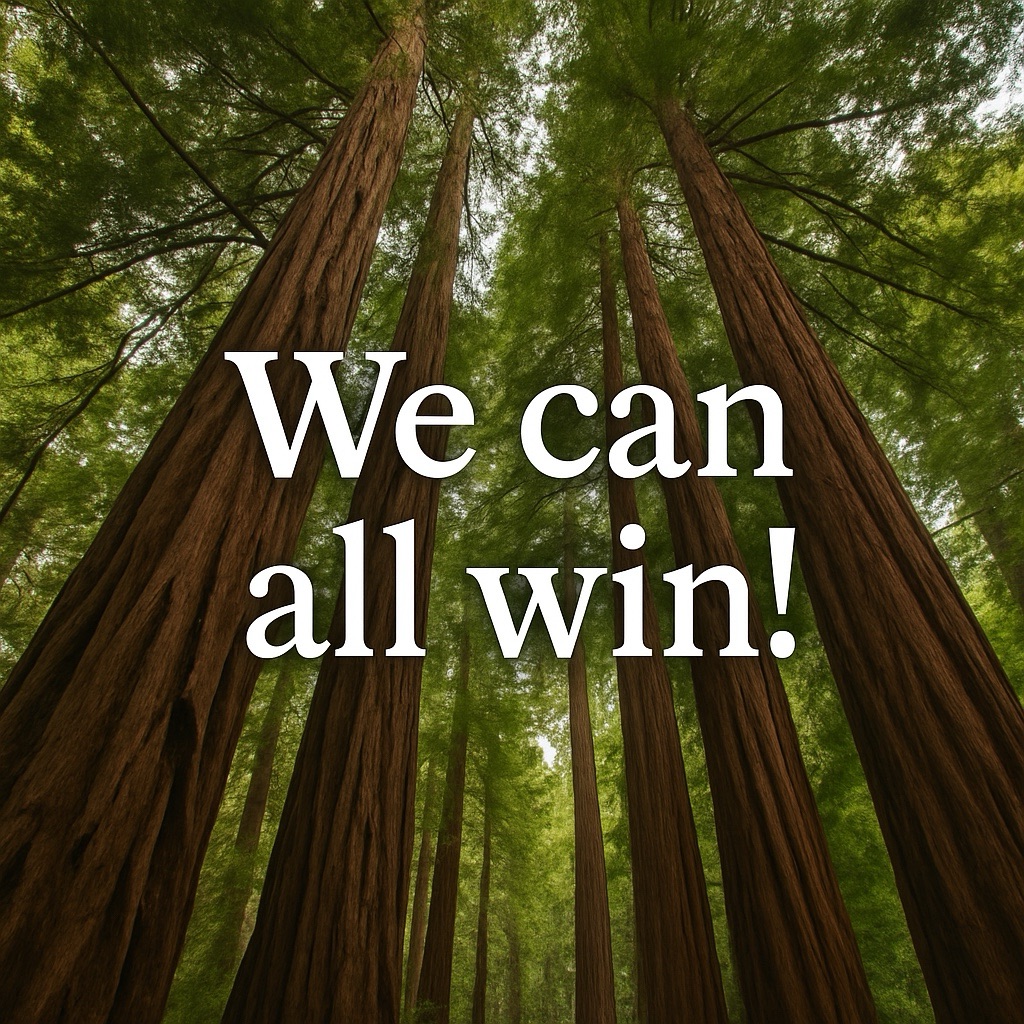
“We can all win.”

It was a reminder that our learning journeys weren’t zero-sum games. That the person sitting next to me in class wasn’t my competition, but a resource. That we weren’t there to defeat each other, we were all there to grow … together. And doing it together made us stronger individually.

Like the redwoods, we are each other’s foundation for growth. We’re not competing for ground space, we are sharing roots. My foundation is yours, and yours is mine.
That phrase has followed me into every corner of my professional life. It’s a mindset. A worldview. And yet, when I see people go out of their way to cheer each other on, to amplify someone else’s moment, it still surprises me in the best way.

It surprises me because it cuts so swiftly against the narrative we’re sold. We’re told we’re divided. More divided than ever. We are Polarized. Split into factions.

You’re either woke or anti-woke. You’re either a patriot or you hate America. You’re either Red or you’re Blue. City or country. North or south. Rock or rap. Beer or wine. Waffle House or First Watch (sorry, I’m hungry for breakfast).

But when I see how eagerly we show up to celebrate each other, I think:

Maybe we’re not as broken as we think.

Kintsugi me and I’ll kintsugi you

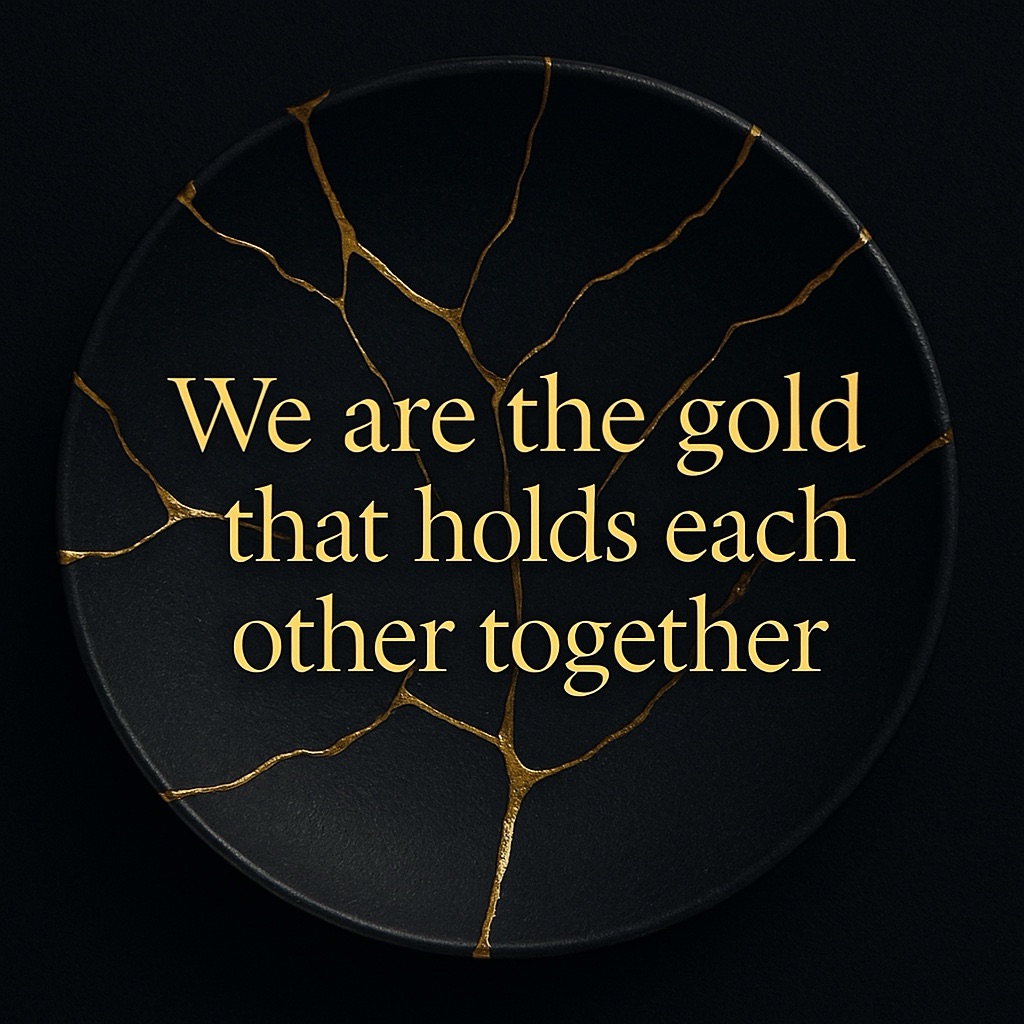
Years ago, I was introduced to kintsugi, the Japanese art of repairing broken pottery using gold. The idea is that a bowl isn’t less valuable because it’s cracked. When it’s repaired, it’s more beautiful, more meaningful, more whole because of its brokenness.

At first, I saw this as a metaphor for healing: life breaks us, and we fill those cracks with gold over time. We get stronger when we heal.

But now? I’m starting to believe something deeper. And, I have to give Netflix’s K Pop Demon Hunters a lot of credit for this one. There’s a moment in the story that made me rethink the whole idea: what if life doesn’t break us? What if we start out already a little cracked?

We are born broken, and we are born golden.

But the gold we have, the gold we are born with, is not for us. My gold isn’t for me. Yours isn’t for you.

We are the gold that holds each other together.
Just like the lyrics in the song Golden by Huntr/x say:

No more hiding, I’ll be shining
Like I’m born to be
‘Cause we are hunters, voices strong
And I know I believe

We’re goin’ up, up, up
It’s our moment
You know together we’re glowing
Gonna be, gonna be golden

Maybe that’s why we celebrate each other.

Because we recognize that your win is part of my wholeness, and mine is part of yours.

It’s not just kindness. It’s kinship.

So, thank you for sharing your gold with me. If you’ve ever celebrated me, or anyone else, I hope you know what that means. You’re doing something human. Something generous. Something golden.

Maybe the most radical thing we can do in a fractured world is to keep showing up for each other. In joy, in sorrow, in triumph, and in loss.

Maybe we really can all win. And, I sincerely hope you do.

Stay golden!

Sax Solos, Social Isolation, and the Science of Staying Alive

When I look at life expectancies (because I’m a nerd who does this from time to time), I like to think of them as a big family picture. I mean just look at us and how well we’re doing! Early American life was filled with disease, disconnection, and a lot, and I mean a lot of children dying before reaching the age of 2. This helps to explain how I’ve somehow outlived the average colonial American, having just reached 40 years. (You know, they’re saying 40 is the new 30, but I just started saying things like, “You know, they’re saying …”, so it’s probably not.)

Based on Data Provided by GapMinder

Though we are in the midst of a measles outbreak, I am a bit surprised we still doubt the utility of vaccines (look at that Spanish Flu dip!). It’s no surprise, though, that the lowest recorded life expectancy in U.S. history was during the Civil War. We were our own enemy. A brutal, drawn-out conflict, widespread disease, and the absence of modern medicine made survival a tall order. But today, despite medical advances, we’re facing another life expectancy crisis—one driven not by war, but by isolation.

Which brings me to a meme I recently saw that suggested a correlation between saxophone solos and birth rates. As sax solos have declined, so has human connection. Absurd? Maybe. But it highlights something real—the power of music, social interaction, and shared spaces in shaping our well-being.

The Life and Death Consequences of Social Isolation

We’ve long known that where you live affects how long you live. A recent study in Public Health Reports validated the Social Vulnerability Index (SVI) at the ZIP code level, showing that social determinants—things like economic stability, housing, and access to community resources—directly impact health outcomes.¹ But beyond physical location, social connection itself plays a critical role.

A landmark meta-analysis found that lacking social connections increases the risk of premature death by 50%, a mortality impact comparable to smoking 15 cigarettes a day.² Meanwhile, social isolation is linked to increased risks of heart disease, stroke, dementia, and mental health disorders.³ I love the suggestion by my friend and colleague, Dr. Katherine Meese, author of The Human Margin, when she jokes, that if you’re feeling lonely it might actually be better for you to grab a friend and smoke 14 cigarettes together than it is to stay isolated.

We found profound negative impacts of social isolation during the Covid-19 pandemic in our study on hospital visitation policies and their influence on patient experience and patient safety outcomes.4 It turns out the isolation was not only bad for patients, but also for our care delivery. Visitors make us better care takers, particularly in hospital settings. This reinforces the notion that human connection is essential for both emotional well-being and physical healing. In light of these findings, healthcare institutions must reevaluate visitation policies to prioritize patient-centered care that recognizes the importance of social support in the healing process.

In short: We’re social creatures, and when we lose connection, we lose years off our lives.

From Third Spaces to Algorithmic Echo Chambers

Historically, we built connection through third spaces—those community gathering places outside of home and work, like coffee shops, bars, churches, and yes, even jazz clubs with legendary sax solos. But these spaces have dwindled. The pandemic accelerated their decline, and the rise of digital interactions has, paradoxically, left us more alone than ever. Social media, once promising connection, has instead created algorithmic echo chambers that reinforce division rather than community.

Instead of moving together to the rhythms of live music, conversation, or shared experience, we’re now more likely to be swayed by the rhythm of our social media feeds.

So, What’s the Fix?

I’m not saying the answer is to listen to Careless Whisper on repeat (but if you do, at least invite some friends over). What I am saying is that we must intentionally rebuild social connection—not just for personal well-being, but as a public health priority.

  • Invest in Third Spaces: We need to rethink how we design communities, ensuring that gathering places remain accessible, inclusive, and vibrant.
  • Encourage In-Person Connection: Whether it’s community events, music, or simply making time for coffee with a friend, small moments of real-world interaction matter.
  • Acknowledge Social Isolation as a Health Risk: Public health efforts should address isolation with the same urgency as smoking, obesity, and chronic disease.

Life expectancy isn’t just about medicine—it’s about music, conversation, and shared human experience. If we want to reverse the trend, we have to do more than just treat illness. We have to bring people together.

Oh, and for what it’s worth—I made a Spotify playlist. (More Sax) Think of it as a small social lubricant on our collective behalf. (Okay, I’m done with the saxual innuendos.)


References:

  1. Social Vulnerability Index at the ZIP Code Level: Validation and Implications for Public Health. (2024). Public Health Reports. Link
  2. 2. Holt-Lunstad, J., Smith, T. B., & Layton, J. B. (2010). Social relationships and mortality risk: A meta-analytic review. PLOS Medicine, 7(7), e1000316. Link
  3. National Academies of Sciences, Engineering, and Medicine. (2020). Social Isolation and Loneliness in Older Adults: Opportunities for the Health Care System. Washington, DC: The National Academies Press. Link
  4. Silvera GA, Wolf JA, Stanowski A, Studer Q. The influence of COVID-19 visitation restrictions on patient experience and safety outcomes: A critical role for subjective advocates. Patient Experience Journal. 2021; 8(1):30-39. doi: 10.35680/2372-0247.1596. Link

From Theme Parks to Seamless Care: What Healthcare Can Learn from Disney

Recently, I had the opportunity to tour a local hospital that has the distinction of being both academic medical center and safety-net hospital. We spent a lot of time examining patient flow and emergency department overcrowding—and I couldn’t help but think about Disney World.

Wheelchair Person” by Direct Media/ CC0 1.0

Disney is a master of movement—orchestrating guest flow through its parks so that everyone gets to the right ride, restaurant, or show with minimal frustration. For many years, patient experience gurus lauded this model for its highlighting the experience while waiting. The waiting room is an experience, the exam room is another, and then the interactions with the care providers, all of them contributing to the overall experience especially in doctor’s offices. But, lets get real— no one enjoys the TVs playing HGTV non-stop for hours on end. I could go on forever on my distaste for doctor’s office waiting rooms, but it seems hospitals are doing much of the same.

On my visit, I learned of several patient flow innovations:

  • A patient flow coordination room, what they called an “air traffic control room” that tracks every patient—incoming, outgoing, and waiting.
  • Overflow areas designed to help absorb surges in emergency visits, with plans for even more capacity.
  • A discharge lounge which holds patients who are medically ready to leave but waiting for transportation.
"Air traffic control" Patient Command Central
“Air traffic control” Patient Command Central photo by G. Silvera

There’s an entire logistics operation designed to move patients efficiently. The ethos, if I understand it correctly, is sound and perhaps even noble. Patients who need care should be able to access care and if there is a patient that no longer needs care or can be better taken care of at another level, we need to move them along to open up space for the next patient. But here’s the thing: everywhere is full at every level.

We have pioneered systems to improve intake, and still, patient overflow is an issue. Every innovation that I have seen to address patient flow ends up butting up against the same reality, at some point, there is nowhere else to send the patient. We have organized too many of our systems in this country for the next patient, and, far too often, we have done so at the expense of the patient in front of us.

And I’ll say it again, because it is worth repeating, the queue is not the patient.

Disney Wants to Keep People Moving. Healthcare Shouldn’t.

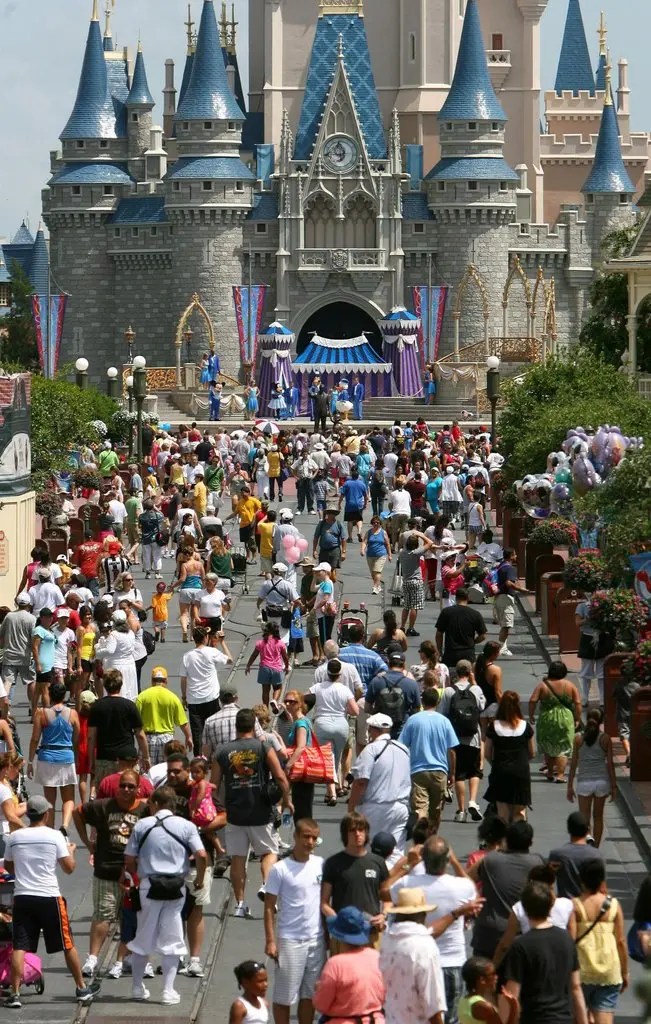
Crowds line the way to Cinderella Castle at the Magic Kingdom.Credit...Joe Burbank/Orlando Sentinel, via Associated Press
Crowds line the way to Cinderella Castle at the Magic Kingdom. Credit…Joe Burbank/Orlando Sentinel, via Associated Press

Disney’s goal is to keep you flowing through different experiences—moving from ride to ride, maximizing time in the park. Hospitals should have the opposite goal:

  • 🚫 Minimize unnecessary patient movement
  • 🚫 Keep care as close to the patient as possible
  • 🚫 Ensure every transfer serves a real purpose

What Healthcare Can Learn from Disney+

Think about how Disney changed retail strategies.

  • Disney Stores once brought the magic to malls
  • Now, Disney+ brings the magic directly to homes

Healthcare is undergoing a similar transformation:
✔ Telehealth eliminates the need for travel
✔ Home-based care brings services to patients
✔ Hospital-at-home models provide inpatient-level care outside traditional walls

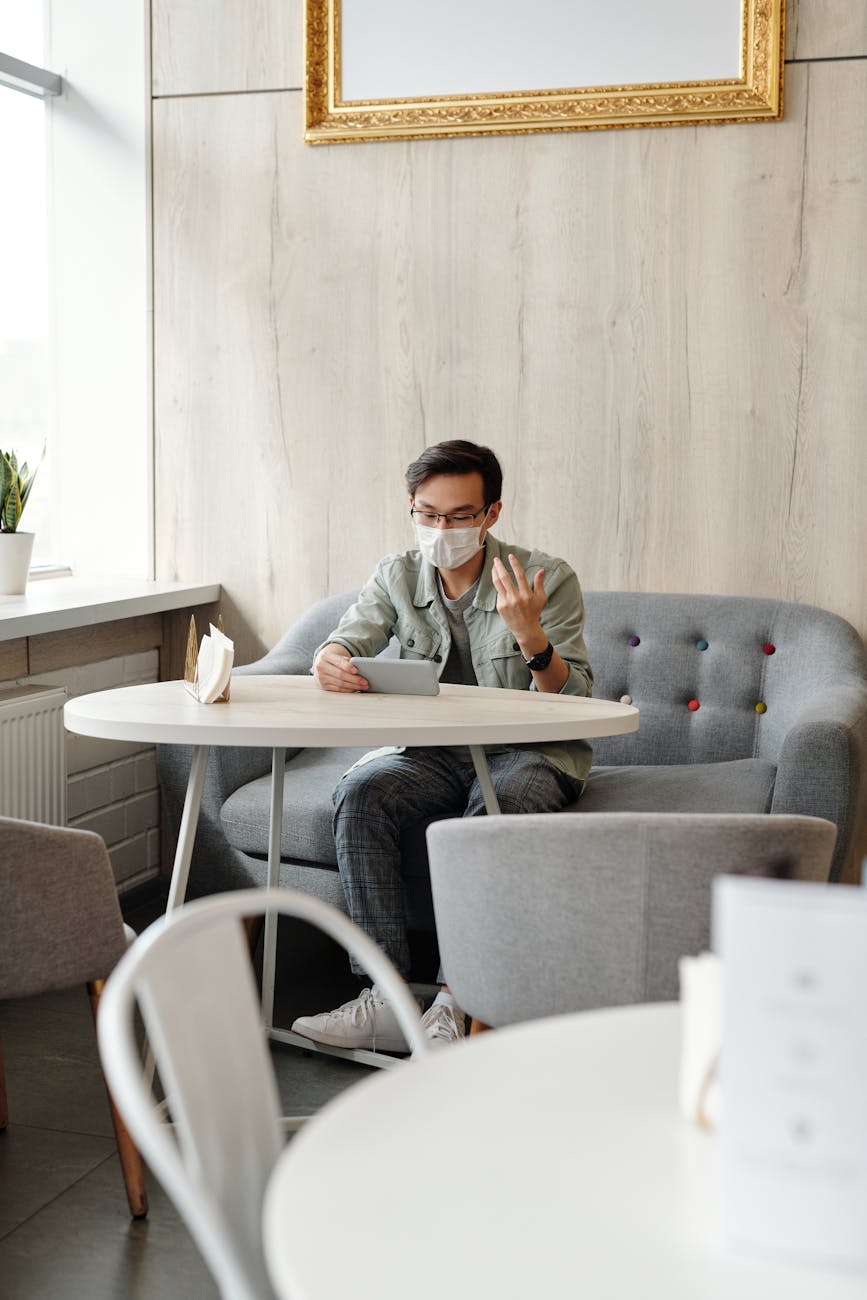
Photo by Edward Jenner on Pexels.com

Yet, inside hospitals, we still shuffle patients around— transferring them between rooms, waiting areas, departments, and even hospitals. To what end? What is the meaning behind the movement? Is it for patient’s needs or someone else’s?

What If We Built Minimally Disruptive Hospitals?

There’s a concept called Minimally Disruptive Medicine that focuses on reducing the disruption of medical visits—especially for elderly patients who rely on caregivers for transportation and support.

What if we applied this thinking inside hospitals?

  • Fewer unnecessary transfers
  • More bedside diagnostics and treatment
  • Care moving to patients, instead of patients moving to care

I am not sure what it would look like exactly, but I have an image of care providers moving through a patient room rather than patients moving through the hospital. For the clinically inclined, what if instead of being the blood that pumps through the hospital, patients were the heart. I encourage us all to think more critically about how disruptively care is currently modeled. Because in the end, patients are not guests in our hospitals.


We are guests in their lives.

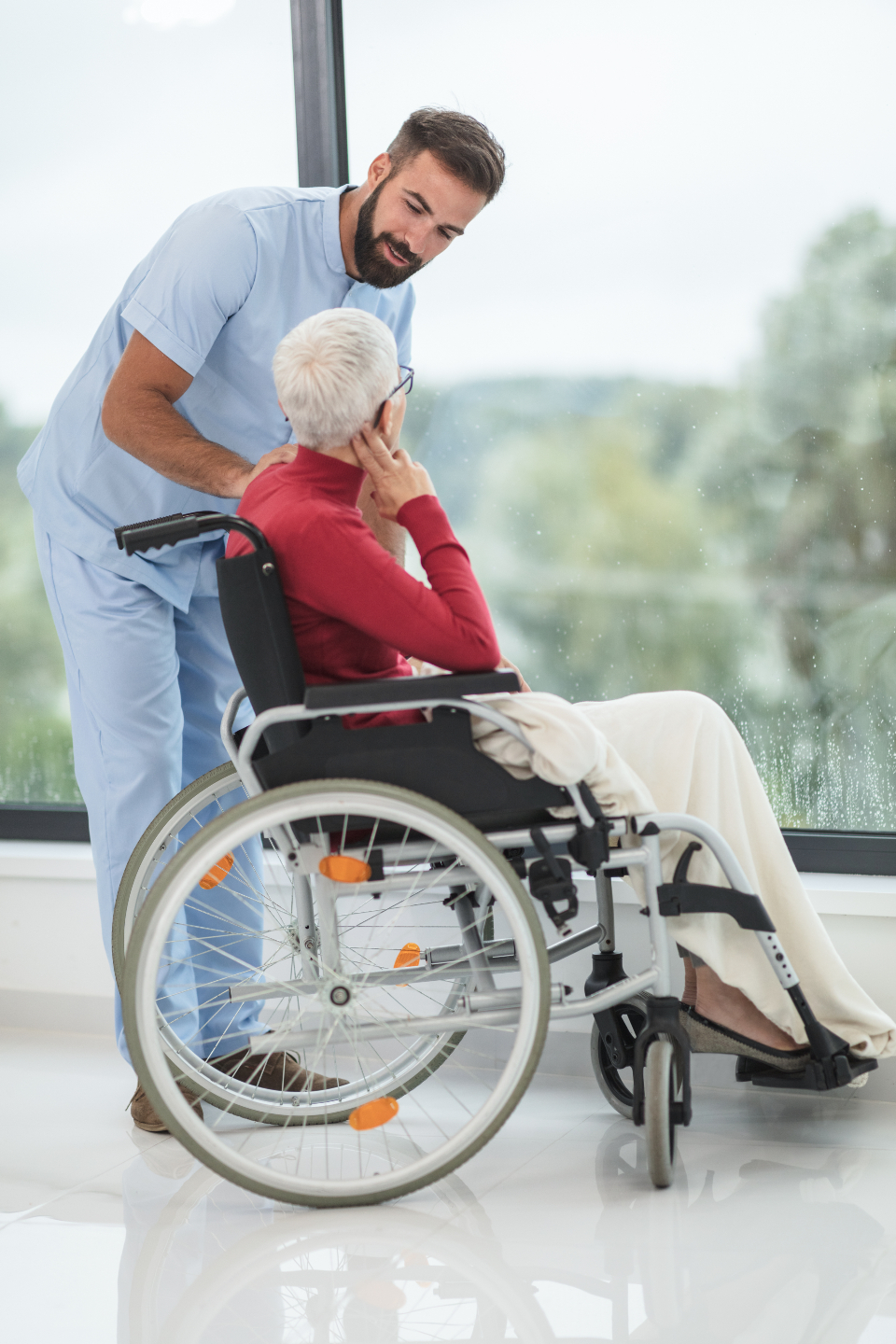
Caregiver Nurse” by Direct Media/ CC0 1.0

What Do You Think?

Are we designing hospitals for operational efficiency instead of patient dignity? How can we make hospital care less disruptive and more patient-centered?

Drop your thoughts in the comments—I’d love to hear your perspective.

#PatientExperience #HealthcareLeadership #MinimallyInvasiveCare #HospitalFlow #PatientFirst #Disney #HealthcareInnovation