

No Majority Rule in Healthcare—Only Patients Rule
A Presidents’ Day Reflection on Power, Leadership, and Patient Sovereignty
Presidents’ Day is a celebration of leadership, democracy, and the legacies of those who have shaped the nation. It’s a day when we reflect on the power of the people, the weight of majority rule, and the impact of decisive leadership.

And yet, for all the ways we govern our country through elections, majorities, and laws, there is one place where majority rule does not apply—healthcare.
In politics, 51% can dictate the course of the country.
In healthcare, only one vote matters: the patient’s.
Because in healthcare, there are no presidents. Only monarchs.
Healthcare is a Monarchy
Yes, despite all the tea dumped into Boston Harbor, despite the Constitution’s rejection of kings, the American healthcare system operates under a different kind of rule.
The patient is sovereign.

Not as a collective majority. Not as a voting bloc. But as an individual ruler over their own body, their own decisions, their own care.
For decades, the patient-centered care and patient experience movement have fought against an impersonal, market-driven healthcare system and demanded that patients be recognized as individuals with dignity, autonomy, and rights.
While policy, insurance, and provider shortages all play their part, the reality is:
Nothing happens in healthcare without the patient.
Care isn’t dictated by the government.
It isn’t dictated by hospitals or insurance companies.
It happens when the patient deems it necessary.
And that power—the ability to decide when, where, and how one receives care—is sacred.
The Difference Between Presidents and Patients
Presidents are elected by a majority.
Patients receive care regardless of popularity.
Presidents serve four-year terms.
Patients hold a lifelong rule over their own health.
Presidents can be removed from power.
Patients, no matter their choices or circumstances, never lose their right to care.
In healthcare, there is no term limit on dignity.
There is no approval rating that determines whether someone deserves medical attention.
There is no electoral college deciding who gets access to treatment.
There is only one guiding principle: Every patient is a ruler in their own right.

Are We Serving Our Monarchs Well?
Of course, not every ruler is perfect.
Some make poor health decisions.
Some struggle to navigate the system.
Some lack access to the care they deserve.
But that does not mean their sovereignty should be questioned.
The greatest failures in American healthcare history have happened when we ignored the one true monarch: the individual patient.
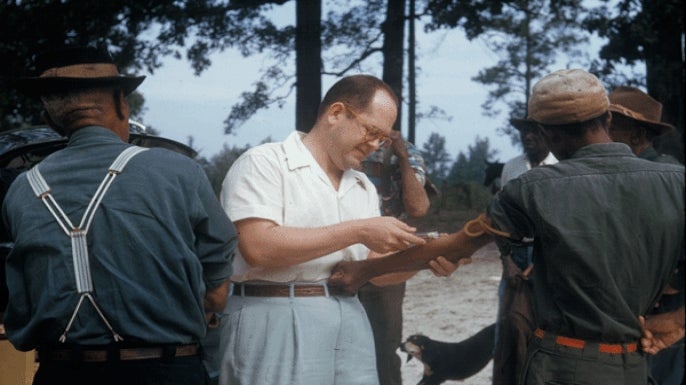
From the Tuskegee Syphilis Study to forced sterilizations, the darkest moments in our healthcare history stem from denying patients their autonomy.
This is why informed consent is not just a legal formality—it is a moral foundation.
It is why dignity must always come first—above efficiency, above policy, above cost-cutting measures.
This Presidents’ Day, Let’s Ask the Right Question
Today, many will debate which presidents were the greatest.
Some will argue about who should be in power next.
Others will reflect on the state of democracy.
But in healthcare, the real question isn’t who should lead—we already know the answer.
The question is: Are we serving our monarchs well?
Are we truly listening to patients, or are we making decisions for them?
Are we honoring their sovereignty, or are we treating them as subjects in a system they can’t control?
Because if we fail to serve our monarchs properly, we risk rebellion—not in the streets, but in mistrust, disengagement, and avoidance of care.
And a kingdom without its rulers? That is a system doomed to fail.
This Presidents’ Day, as we celebrate the power of leadership, let’s not forget the one unshakable truth in healthcare:
Patients reign. And it is our duty to serve their majesty well.

 Geoffrey Silvera, PhD MHA